How to Safely Get Paid by a Sugar Daddy
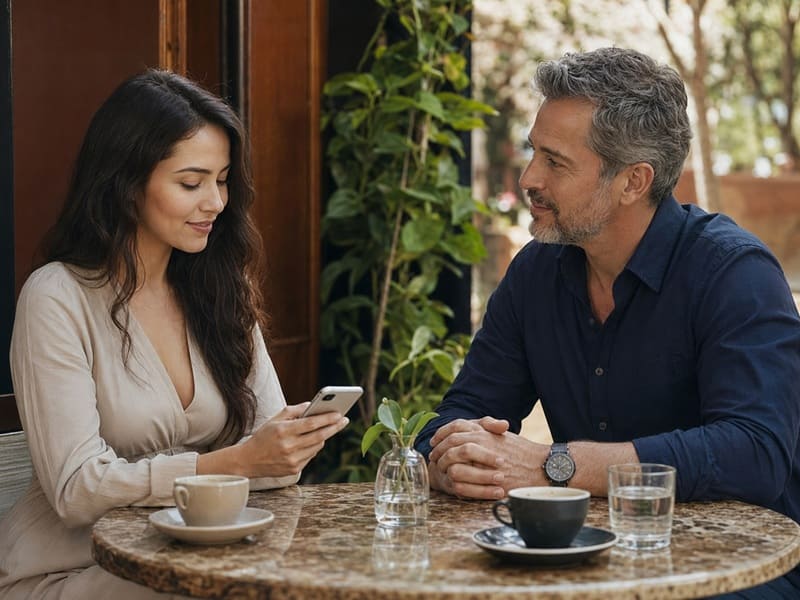
Money is often one of the first topics people associate with sugar dating, but it is also one of the most misunderstood. While financial support can be part of a mutually agreed relationship, getting paid safely is far more important than simply getting paid quickly. Rushing into financial discussions, trusting someone too soon, or accepting risky payment methods can lead to scams, privacy issues, or unnecessary stress.
The good news is that most payment problems are preventable. After nearly two decades of observing the sugar dating community, one pattern stands out: genuine, respectful partners are usually transparent about expectations, communicate openly, and never pressure someone into making financial decisions. In contrast, scammers often rely on urgency, secrecy, and promises that seem too good to be true.
In this guide, you'll learn how to recognize common payment scams, choose safer payment methods, protect your personal information, and build trust before any financial support is exchanged. Whether you're new to sugar dating or simply want to make smarter decisions, these practical tips will help you prioritize your safety while building more confident and respectful connections.
The Safest Sugar Relationships Start with Clear Expectations

Many people assume that payment is the most important part of a sugar relationship. In reality, clear communication is. Financial misunderstandings are far more likely to happen when expectations are vague or left unspoken. Honest conversations may feel uncomfortable at first, but they often prevent confusion, disappointment, and unnecessary conflict later.
Before discussing financial support, take time to get to know each other. A genuine sugar daddy should be willing to talk openly about what both of you are looking for, whether that's companionship, a long-term relationship, casual dating, or something else. Likewise, you should feel comfortable expressing your own boundaries and expectations. If either person avoids these conversations or keeps changing the subject, it's worth slowing down before moving forward.
Once you've both established mutual interest, discuss practical details in a respectful and straightforward way. This doesn't mean negotiating like a business contract—it means making sure neither person is relying on assumptions. Consider talking about questions such as:
- When will financial support be provided?
- What payment method is comfortable for both of you?
- Are there any expectations regarding travel or shared activities?
- How will you communicate if plans need to change?
Having these conversations early helps both people understand what to expect and reduces the chance of future misunderstandings.
It's also important to be cautious of vague promises. Statements like "I'll spoil you later," "Trust me first," or "I'll make it up to you after we meet" may sound reassuring, but without clear communication, they don't provide any real certainty. Genuine partners typically don't rely on indefinite promises—they communicate honestly and follow through on what they've agreed.
One lesson that experienced members often learn is that trust isn't built through money alone. It develops through consistency, respect, and reliability over time. Someone who communicates clearly, respects your boundaries, and keeps their word is generally a much safer person to build a relationship with than someone who makes grand promises but avoids meaningful conversations.
Learn to Recognize Payment Scams Before They Happen
One of the biggest misconceptions about sugar dating is that scammers only target wealthy sugar daddies. In reality, sugar babies are frequent targets as well. Fraudsters know that many newcomers are excited, inexperienced, and eager to believe they've met someone generous. Instead of building a genuine connection, scammers create situations where victims send money, reveal sensitive financial information, or believe they've been paid when they haven't.
The good news is that most payment scams follow predictable patterns. Once you understand how they work, they're much easier to spot.
1. The Fake Check Scam
A scammer claims they have mailed you a check that's larger than the agreed amount. They then ask you to return the "extra" money through another payment method.
At first, the check may even appear in your bank account. However, banks often make funds temporarily available before the check is fully verified. Days later, the check is discovered to be fraudulent, the deposit is reversed, and you're responsible for the money you already sent back.
Red flags:
- The payment exceeds the agreed amount.
- They ask you to refund part of the money.
- They pressure you to act before the bank finishes processing the check.
2. The "Pay a Small Fee First" Scam
A common trick is to promise a generous payment—but only after you pay a small "verification fee," "processing fee," "security deposit," or "membership upgrade."
Once the fee is paid, the scammer either disappears or invents another reason to request more money.
Red flags:
- They ask you to spend money before receiving anything.
- They claim the fee is refundable later.
- They insist the payment is required to unlock your funds.
3. The Fake Payment Screenshot Scam
Technology has made it surprisingly easy to edit payment confirmations or generate convincing fake screenshots.
A scammer may send what appears to be a completed transfer and pressure you to continue the conversation, meet in person, or provide additional information before the payment actually arrives.
Red flags:
- They rely on screenshots instead of asking you to verify the payment yourself.
- They say the payment is "pending" because of a banking issue.
- They become impatient when you want to confirm the transaction.
4. The Cryptocurrency Scam
Some scammers insist on paying with cryptocurrency because transactions seem modern, international, and fast. While digital assets are legitimate in many situations, they are also commonly used in online fraud because transactions are difficult—or impossible—to reverse.
In some cases, victims are even directed to fake cryptocurrency exchanges or investment platforms that show imaginary balances instead of real funds.
Red flags:
- They refuse every traditional payment method.
- They ask you to create an account on an unfamiliar platform.
- They encourage you to invest or trade instead of simply receiving payment.
5. The Bank Transfer Reversal Scam
Not every bank transfer is final the moment it appears in your account. Depending on the payment method, bank policies, or whether stolen financial credentials were used, some transfers can later be disputed or reversed.
Scammers sometimes take advantage of this by showing proof of payment, encouraging trust, and then reversing the transaction after receiving what they wanted.
Red flags:
- The sender seems unusually eager to rush the meeting immediately after sending money.
- They refuse to use established payment platforms.
- The payment originates from an unfamiliar third party.
A Simple Rule That Prevents Most Scams
Although payment scams come in many forms, they almost always share the same warning signs:
- They create unnecessary urgency.
- They ask you to send money first.
- They avoid clear explanations.
- They pressure you not to verify payments.
- They promise unusually generous rewards with little effort.
Whenever a payment situation feels rushed, confusing, or unusually complicated, slow down. Genuine sugar relationships are built on trust and transparency—not pressure and uncertainty.
Choose Payment Methods That Protect You
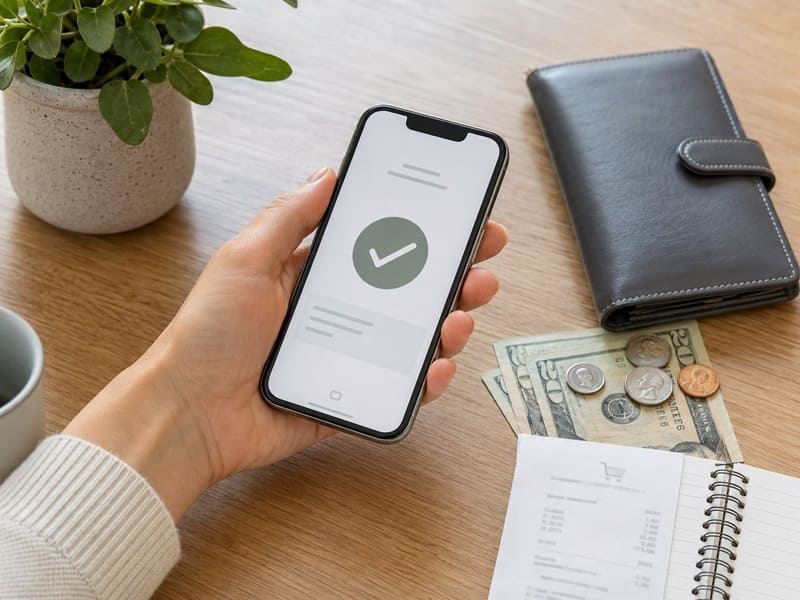
When it comes to receiving financial support, the safest payment method isn't always the fastest or most convenient one. Every option has advantages and potential risks. Rather than asking, "Which payment method is best?" a better question is, "Which payment method is appropriate for this stage of the relationship?"
If you've just met someone, protecting your privacy should be your top priority. As trust develops over time, you may feel comfortable using payment methods that require more personal information. Matching the payment method to the level of trust can significantly reduce unnecessary risks.
Compare Popular Payment Methods
| Payment Method | Privacy | Easy to Verify | Can Be Reversed? | Best For |
|---|---|---|---|---|
| Cash | High | Yes | No | First few in-person meetings |
| PayPal | Medium | Yes | Possible in some cases | Established relationships |
| Cash App | Medium | Yes | Limited | Domestic payments (U.S.) |
| Venmo | Medium | Yes | Limited | Trusted partners |
| Wise | Medium | Yes | Depends on the transfer | International payments |
| Bank Transfer | Low to Medium | Yes | Sometimes | Long-term, trusted relationships |
No matter which payment method you choose, always verify that the funds have actually arrived before assuming the transaction is complete.
Cash: Simple but Not Always Ideal
Cash remains one of the most private payment methods because it doesn't require sharing banking information or online accounts. For people meeting in person, it can also eliminate concerns about pending transfers or payment disputes.
However, cash has its own limitations. It can be lost, stolen, or difficult to document if a disagreement arises. Meeting in a public place and avoiding carrying large amounts of cash are simple precautions that improve safety.
Digital Payment Apps Offer Convenience
Services like PayPal, Cash App, and Venmo make sending and receiving money quick and convenient. They also allow you to confirm payments directly within the app instead of relying on screenshots or email notifications.
Before using any payment platform, take a few minutes to review its privacy settings. Some apps display your full name, profile photo, friends list, or even payment history by default. Adjusting these settings can help protect your identity while maintaining convenience.
Bank Transfers Are Better for Established Relationships
Direct bank transfers are common in long-term agreements because they're reliable and easy to verify. However, they also require sharing more personal financial information than many digital wallets.
If you've only recently met someone, there's usually no need to exchange sensitive banking details immediately. Building trust first allows both people to feel more comfortable before using payment methods tied directly to their financial accounts.
Should You Accept Cryptocurrency?
Cryptocurrency can be a legitimate payment option, particularly for people who already understand how digital assets work. However, if you're unfamiliar with cryptocurrency—or if someone insists that it's the only way they can pay—it's perfectly reasonable to decline.
A trustworthy person will usually respect your preferred payment method instead of pressuring you into using technology you don't understand.
Remember: The Person Matters More Than the Payment Method
Many newcomers spend a lot of time comparing payment apps, hoping to find the "safest" one. In reality, no payment method can protect you from someone who intends to deceive you.
The safest transactions usually happen when several things come together:
- You know the person well enough to trust them.
- Expectations have been discussed openly.
- The payment can be verified independently.
- Neither person is rushing the process.
- Both people respect each other's privacy and boundaries.
In other words, the payment method is only one part of staying safe. Honest communication and good judgment are far more important than the app you choose.
Never Share These Financial Details
Receiving financial support should never require giving away your personal security. Unfortunately, many scammers don't just want to steal your money—they want to steal your identity. Once someone has access to sensitive financial information, the damage can extend far beyond a single payment.
A good rule to remember is this: A genuine sugar daddy only needs enough information to send you money—not enough information to access your financial accounts. If someone asks for details that aren't necessary to complete a payment, treat it as a warning sign.
1. Never Share Your Online Banking Login
No legitimate reason exists for anyone to ask for your online banking username, password, or security questions.
Scammers may claim they need to "verify your account" or "deposit money directly." These explanations are false. Sharing your login credentials could give someone complete access to your finances.
Never share:
- Online banking username
- Banking password
- Security questions and answers
- PIN numbers
2. Never Give Out Verification Codes
Banks and payment apps regularly send one-time verification codes (OTP) by text message or email to confirm your identity.
If someone asks you to forward one of these codes—even if they claim it's needed to complete a payment—they're almost certainly attempting to access one of your accounts.
Remember:
Verification codes are for you—not for the person sending you money.
3. Be Careful With Photos of Financial Documents
Avoid sending photos of:
- Credit or debit cards
- Bank statements
- Checks
- Tax documents
Even if you cover part of the information, scammers may combine small pieces of data from multiple documents to commit identity theft.
4. Protect Government-Issued Identification
Your passport, driver's license, or national ID contains valuable personal information.
Unless you're completing a legally required identity verification through a trusted financial institution or payment platform, there is usually no reason to share these documents with someone you've met online.
If someone insists they "need your ID before sending money," consider ending the conversation.
5. Keep Your Home Address Private
Many payment methods don't require your home address.
Until you've developed genuine trust, avoid revealing:
- Your home address
- Workplace address
- Apartment number
- Other locations where you regularly spend time
Protecting your physical privacy is just as important as protecting your financial privacy.
6. Separate Your Dating Life From Your Financial Life
Many experienced members choose to keep their dating-related payments separate from their everyday finances.
Simple precautions include:
- Using a dedicated email address for payment apps.
- Reviewing your payment app's privacy settings.
- Limiting the personal information displayed on your payment profile.
- Avoiding payment usernames that reveal your full legal name.
These small steps can reduce unnecessary exposure while making it easier to manage your online privacy.
Less Information Means Less Risk
One of the biggest misconceptions is that sharing more information makes someone appear more trustworthy. In reality, trust is built through consistent actions—not through giving away sensitive personal details.
A respectful partner won't pressure you to disclose private information simply to receive financial support. If someone becomes impatient when you set reasonable boundaries, that's valuable information in itself.
Red Flags That Usually Mean You Won't Get Paid
Most scammers don't begin by asking for money—they begin by building false confidence. They may seem charming, generous, and attentive at first. But over time, their words and actions stop matching. Learning to recognize these warning signs can help you avoid wasting your time, protecting both your finances and your emotional well-being.
While no single behavior proves someone is dishonest, multiple red flags appearing together should never be ignored.
1. They Keep Promising, But Never Following Through
One of the most common warning signs is someone who repeatedly talks about being generous without ever taking action.
You might hear things like:
- "I'll take care of you next time."
- "Once you trust me, everything will change."
- "I'm waiting for my funds to clear."
Everyone experiences occasional delays, but if every conversation ends with another excuse, it's worth asking whether the person is genuinely interested or simply keeping you engaged.
Healthy relationships are built on consistency, not endless promises.
2. They Ask You to Spend Money First
A genuine sugar daddy should never expect you to pay in order to receive financial support.
Be cautious if someone asks you to:
- Book travel using your own money.
- Purchase gift cards.
- Pay "verification" or "processing" fees.
- Buy cryptocurrency before receiving payment.
- Upgrade an account to unlock funds.
These requests are among the most common tactics used in online payment scams.
If someone asks you to pay first, walk away.
3. They Avoid Video Calls or Real-Life Meetings
Trust grows when both people are willing to verify that they're real.
If someone always has an excuse to avoid:
- Video calls
- Voice calls
- Public first meetings
they may be hiding their identity.
Of course, everyone deserves privacy, especially at the beginning of a relationship. However, someone who refuses every reasonable opportunity to verify who they are should be treated with caution.
4. They Rush the Relationship
Scammers often create a false sense of urgency because they don't want you to have time to think critically.
They may say things like:
- "I know you're the one."
- "Let's move this off the dating site immediately."
- "Delete your profile."
- "Trust me—you don't need to talk to anyone else."
Healthy relationships develop naturally. Genuine connections don't require pressure or artificial deadlines.
5. They Become Defensive When You Ask Reasonable Questions
Asking about payment timing, expectations, or preferred payment methods is perfectly reasonable.
A trustworthy partner will usually answer calmly and respectfully.
A scammer, however, may:
- Become angry.
- Accuse you of being greedy.
- Change the subject.
- Try to make you feel guilty for asking.
This is often an attempt to avoid accountability rather than have an honest conversation.
6. Their Stories Keep Changing
Consistency is one of the strongest indicators of credibility.
Pay attention if details about their life frequently change, such as:
- Their occupation
- Their city or country
- Their travel schedule
- Their relationship status
- Why they can't send payment today
Everyone forgets small details occasionally. But repeated contradictions often suggest the person isn't being truthful.
7. They Sound Too Good to Be True
One of the biggest mistakes newcomers make is assuming that extraordinary generosity equals authenticity.
Be cautious if someone you've just met claims they will:
- Send a large amount of money immediately.
- Buy expensive gifts before knowing you.
- Support you financially without ever having a meaningful conversation.
- Make extravagant promises while avoiding basic verification.
In healthy sugar relationships, trust usually grows before financial support—not the other way around.
Trust Actions, Not Words
Perhaps the most valuable lesson is this: don't judge someone by what they promise—judge them by what they consistently do.
A reliable sugar daddy doesn't need dramatic stories or unrealistic promises to earn your trust. Instead, you'll typically notice behaviors like:
- Respecting your boundaries.
- Communicating clearly.
- Following through on commitments.
- Being patient instead of pressuring you.
- Treating you with honesty and respect.
These qualities are far more meaningful than flashy claims about wealth or generosity.
Build Trust Before Financial Support Grows

One of the biggest misconceptions about sugar dating is that financial support should increase as quickly as the relationship begins. In reality, the healthiest and most successful sugar relationships usually develop the same way any strong relationship does—through trust, consistency, and mutual respect.
Financial support should never be used to replace trust. Instead, it should naturally reflect a relationship that has become more comfortable, transparent, and dependable over time.
Trust Is Built Through Consistent Actions
It's easy for someone to make impressive promises during the first few conversations. What's much more meaningful is whether their actions remain consistent over weeks and months.
Ask yourself:
- Do they communicate honestly?
- Do they respect your boundaries?
- Do they follow through on what they say?
- Do they value your time?
- Do they treat you with kindness, even when you disagree?
These behaviors tell you far more about a person's character than the amount of money they offer.
Healthy Financial Support Should Feel Comfortable—Not Controlling
Financial generosity should create stability and appreciation, not pressure or obligation.
Be cautious if someone uses money to:
- Control your decisions.
- Demand constant attention.
- Make you feel guilty for saying "no."
- Isolate you from friends or family.
- Push your personal boundaries.
A respectful sugar daddy understands that financial support is part of a mutually respectful relationship—not a tool for controlling another person.
Take Your Time Before Increasing Financial Commitments
There is no universal timeline for when financial support should change. Every relationship develops differently.
Instead of focusing on speed, pay attention to whether trust is growing naturally.
Good signs include:
- Communication becomes easier and more honest.
- Both people consistently keep their commitments.
- Expectations remain clear.
- Neither person feels pressured into making decisions.
- Financial discussions become more comfortable because trust already exists.
When these foundations are in place, financial agreements tend to feel much more secure for everyone involved.
Real Generosity Includes Respect
Many newcomers associate generosity only with money. However, experienced members often discover that genuine generosity is reflected in everyday behavior.
A trustworthy partner is generous with:
- Honesty
- Patience
- Respect
- Communication
- Reliability
Money may support the relationship, but these qualities are what sustain it.
The Best Sugar Relationships Feel Balanced
Healthy sugar relationships aren't built around constant negotiations or uncertainty. Instead, both people should feel valued, respected, and comfortable discussing expectations openly.
If conversations about financial support repeatedly create stress, confusion, or conflict, it's worth asking whether the relationship itself is providing the trust and stability needed to move forward.
Ultimately, the strongest sugar relationships aren't defined by the largest allowance or the most expensive gifts. They're defined by two people who communicate clearly, respect each other's boundaries, and consistently do what they say they'll do.
Final Thoughts: Your Safety Is Worth More Than Any Payment
Receiving financial support should never come at the expense of your personal safety, privacy, or peace of mind. While generous offers can be exciting, the healthiest sugar relationships aren't built on money alone—they're built on trust, honesty, and mutual respect.
Throughout this guide, you've learned that staying safe isn't about finding a "perfect" payment method. It's about making thoughtful decisions at every stage of the relationship:
- Discuss expectations openly before money is involved.
- Learn to recognize common payment scams.
- Choose payment methods that match your level of trust.
- Protect your financial and personal information.
- Walk away from anyone who pressures, manipulates, or makes promises they never keep.
- Allow trust to grow naturally before increasing financial support.
If something feels rushed, confusing, or too good to be true, trust your instincts. Taking a step back to verify a payment or ask additional questions is never a mistake. A genuine sugar daddy will appreciate your caution because healthy relationships are built on transparency—not pressure.
Finally, remember that the platform you choose also plays an important role in your safety. Meeting people through a well-established community with active moderation, profile verification, and safety features can reduce many of the risks associated with meeting strangers online. While no dating platform can guarantee every interaction, choosing one that prioritizes authenticity gives you a stronger foundation for building genuine connections.
At SugarDaddyMeet, we've spent nearly two decades helping people build respectful, mutually fulfilling relationships. We've learned that the most successful matches aren't defined by the largest allowance or the most expensive gifts—they're built between people who communicate honestly, respect each other's boundaries, and keep their promises.
The best payment is one that comes with trust. And the safest relationship is one where both people feel respected, protected, and valued from the very beginning.

